Reviewing HOCO 2020 New Wavy Retro Svg DESIGN for Stitchers
As a designer who spends half my life digitizing and the other half stitching, I have learned to look past the glossy preview images. We all know that what looks crisp on a screen can sometimes turn into a tangled mess of thread on fabric. When I first opened the HOCO 2020 New Wavy Retro Svg DESIGN, my immediate reaction was one of cautious optimism. The wavy, retro aesthetic is currently dominating the handmade market, but executing it in embroidery requires a keen eye for flow and density. This review breaks down how this design performs in real-world scenarios, moving beyond simple sublimation talk to address the needs of serious embroidery designers and craft business owners.
First Impressions: Mood and Visual Personality
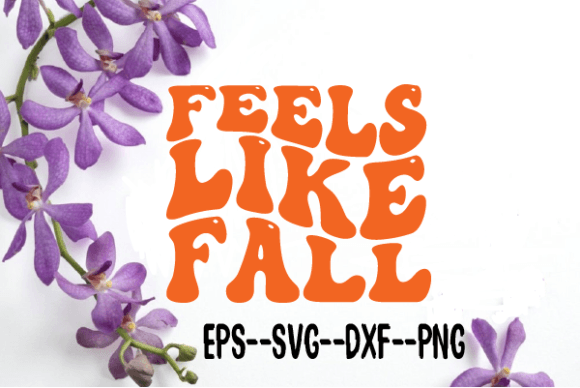
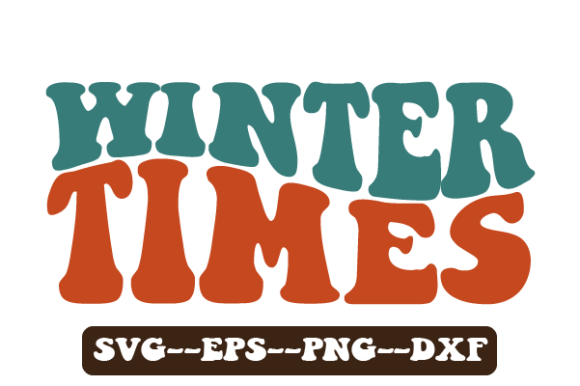
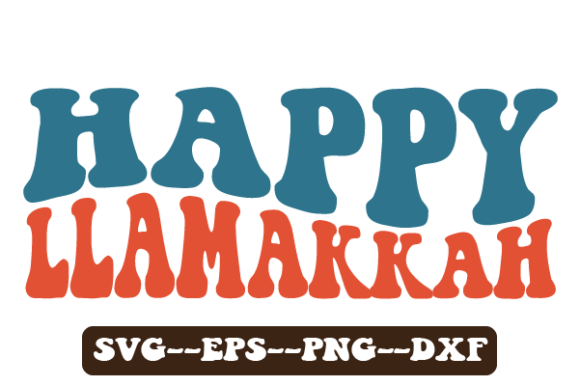
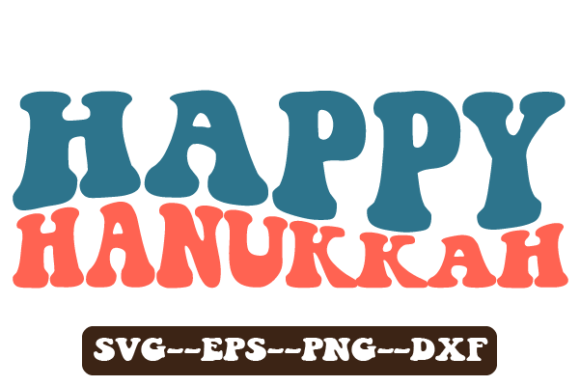
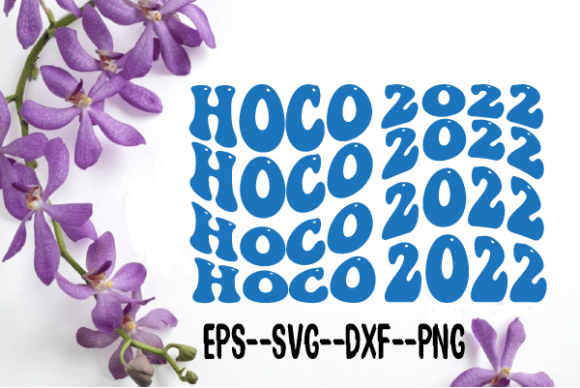
The visual personality of this design is distinctively nostalgic. It captures that mid-century modern vibe that pairs beautifully with both minimalist and maximalist decor. For an embroidery project, the "wavy" element suggests movement. In machine embroidery, movement is tricky. If the digitizing is poor, waves can look jagged or stiff. However, the layout here feels organic. It creates a mood that is playful yet sophisticated, making it suitable for a wide range of applications from nursery decor to boutique apparel.
For those of us selling on Etsy or at local craft fairs, the theme is crucial. This design does not scream "trendy" in a way that will feel dated in six months. Instead, it leans into a timeless retro style. This longevity is vital for building a consistent brand identity. When a customer sees this on a tote bag or a pillow cover, they perceive quality and thoughtfulness, which directly impacts buyer engagement and trust.
Real-World Application: From Screen to Stitch
To truly test the viability of any graphic, I imagine it on a specific product. Let’s consider a custom embroidered tote bag. Tote bags are often made from canvas or heavy cotton, which provides a stable base for stitching. The HOCO 2020 New Wavy Retro Svg DESIGN would likely shine here. The bold lines of the wave pattern can handle the texture of the fabric without getting lost. Imagine this stitched in a contrasting thread color, perhaps a mustard yellow or teal against a natural linen background. The result is a high-value handmade product that feels artisanal rather than mass-produced.
Another strong candidate is sweatshirt embroidery. Here, the fabric is thicker and has more give. The design’s open nature prevents it from becoming too dense, which is critical for comfort. A stiff, heavily stitched patch on a chest can be irritating to wear. By keeping the stitch density moderate, this design maintains the softness of the garment while adding a personalized touch. It works equally well for baby embroidery, where softness and safety are paramount. Just ensure you use a gentle stabilizer to avoid scratchiness against sensitive skin.
Navigating Technical Challenges
While the design is versatile, there are areas where caution is needed. As an experienced reviewer, I must point out that this file is provided as a DXF and EPS. These are vector formats primarily used for cutting machines like Cricut or Silhouette, and for sublimation printing. They are not native machine embroidery files like PES or DST. This is a critical distinction for embroidery designers. You cannot simply load an EPS file into your embroidery machine. You must use the vector shape as a template to manually digitize the design or trace it within your embroidery software.
This extra step allows for customization but requires skill. When converting this wavy retro shape into a machine embroidery design, pay close attention to the corners and curves. Sharp angles in vectors can cause needle breaks if not smoothed out with proper running stitch underlays. Additionally, check the stitch density. If you plan to scale the design up for a large pillow cover, you may need to increase the spacing between stitch rows to prevent puckering. Conversely, scaling it down for a small embroidered patch might require simplifying the details to maintain clarity.
Fabric choice plays a massive role here. On textured fabrics like terry cloth or thick wool, the fine details of the wave might get swallowed up. In such cases, consider using an applique design technique. Cut the shape from a contrasting fabric and stitch around the edge. This preserves the retro aesthetic while reducing stitch count and improving visibility on difficult textures. For dark fabrics, always test your thread colors. A dark thread on a dark shirt will vanish. Use metallic or bright rayon threads to make the design pop.
Commercial Viability and Brand Consistency
For small shop owners and creative entrepreneurs, the commercial potential of this asset is significant. Because it is a vector graphic, it is infinitely scalable. You can use the same HOCO 2020 New Wavy Retro Svg DESIGN to create a cohesive line of products. Imagine matching mugs via sublimation and tote bags via embroidery. This cross-product consistency strengthens brand recognition. Customers love when they can buy a matching set, whether it is for a wedding gift, holiday embroidery project, or personal use.
However, before listing finished items or digital products, you must verify the license terms. Just because a file is downloadable does not mean it is free for commercial resale. Check the creator’s policy on using these graphics for physical goods versus digital resales. Many designers allow the sale of finished physical items but prohibit the resale of the digital file itself. Protecting your business means respecting intellectual property rights.
Practical Designer Notes for Best Results
If you decide to incorporate this design into your workflow, follow these practical steps to ensure professional results:
- Test on Scrap Fabric: Never stitch a new design directly on your final product. Always run a test on the same type of fabric and stabilizer you plan to use.
- Check Thread Contrast: View your design in black and white mockups. If the shape loses definition in grayscale, it may lack contrast in real life. Adjust your thread colors accordingly.
- Confirm Hoop Size: Ensure the scaled design fits comfortably within your machine’s hoop size, leaving enough margin for clamping.
- Use Proper Stabilizer: For stretchy fabrics like t-shirts, use a cut-away stabilizer. For woven fabrics like tote bags, a tear-away may suffice, but hooping tightly is essential to prevent shifting.
- Inspect Small Details: After digitizing from the EPS/DXF, zoom in on the curves. Smooth out any jagged edges that could cause thread breaks or uneven stitching.
In conclusion, the HOCO 2020 New Wavy Retro Svg DESIGN is a strong asset for creators who understand the bridge between vector graphics and textile art. It offers a stylish, retro appeal that resonates with current market trends. While it requires manual digitization for machine embroidery, this process allows for complete control over stitch types, density, and underlay. Whether you are creating custom apparel, personalized gifts, or boutique merchandise, this design can elevate your finished product if handled with technical care and creative vision. Treat it as a foundation, not a final solution, and you will find it to be a valuable addition to your library of design assets.