Reviewing First Grade is Magical Retro Wavy Svg for Embroidery
As a designer who spends half my life digitizing and the other half stitching, I have learned to look past the glossy preview images. When I first encountered First Grade is Magical Retro Wavy Svg, my initial reaction was not just about the aesthetic appeal, but about its potential translation from a flat digital graphic into a textured, tactile embroidery project. This piece falls squarely into the category of Crafts and Graphics, but for those of us running small businesses or creating personalized gifts, the real question is always: how does it hold up under the needle?
The Visual Personality and Design Mood
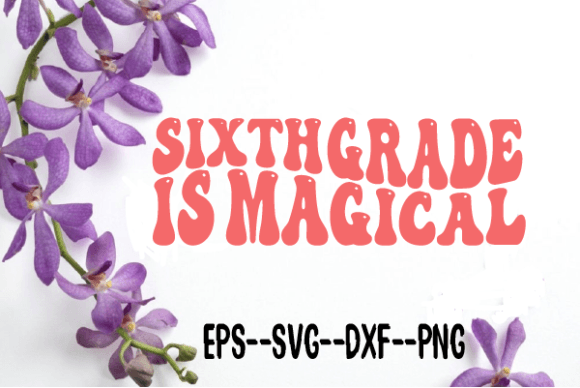
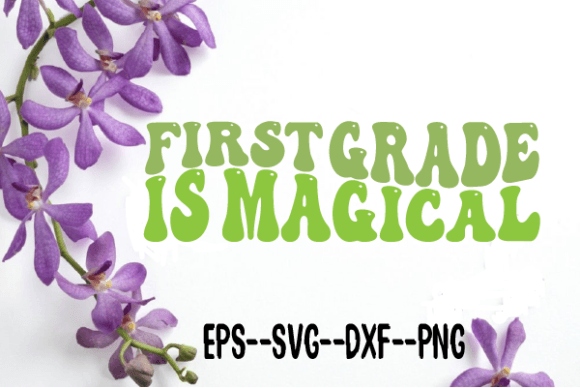
The design carries a distinct retro vibe, characterized by wavy lines and a playful, nostalgic energy. The phrase "First Grade is Magical" suggests a target audience of young students, teachers, and proud parents. Visually, the layout is balanced, with the text integrated into the flowing waves. For an embroidery designer, this is promising because it implies movement. However, the "magical" element often includes whimsical details that can be tricky to stitch if they are too fine.
In terms of mood, this design feels cheerful and welcoming. It is not overly complex, which is a significant advantage for commercial embroidery where speed and reliability matter. The retro aesthetic aligns well with current trends in boutique branding, making it a strong candidate for Etsy seller listings or small shop product lines. The visual personality is friendly without being childish, allowing it to cross over into apparel for older children or even nostalgic adult wear.
Real-World Application: The Custom Tote Bag Test
To evaluate this properly, I imagined a real-life scenario: preparing a custom embroidered tote bag for a back-to-school promotion. Tote bags are typically made of canvas or heavy cotton, which provides a stable base for stitching. Using First Grade is Magical Retro Wavy Svg on this medium would likely yield crisp results. The wavy elements would benefit from the fabric's texture, adding depth to the finished product.
If I were producing this for a client, I would consider using a combination of stitch types. The text might require a clean satin stitch for readability, while the wavy background elements could utilize a fill stitch to create a solid, vibrant block of color. Alternatively, if the design allows, an applique design approach could reduce stitch count and add a unique layered look, though this depends on the specific file structure provided. The key here is ensuring that the "magic" doesn't get lost in dense stitching.
Performance Across Different Products
Beyond tote bags, this design has versatility. For sweatshirt embroidery, the softness of fleece requires careful attention to stitch density. If the design is too dense, it can cause puckering or make the garment stiff and uncomfortable. I would recommend testing a lower density version or using a tear-away stabilizer to support the fabric without adding bulk.
For baby embroidery projects, such as onesies or bibs, the scale becomes critical. The text must remain legible when scaled down. If the original digital embroidery file is large, resizing it for small items might compromise the integrity of the wavy lines. In such cases, simplifying the design or removing intricate details might be necessary to maintain clarity. On the other hand, for larger items like pillow covers or blankets, the design can shine in its full glory, allowing for more intricate thread work and color variation.
Challenges with Curved and Textured Surfaces
One area where caution is needed is with curved surfaces like caps. Embroidering on a cap requires a specialized hoop and often results in distortion if the design is too wide. The wavy nature of this design might exacerbate this issue if the waves extend too far horizontally. I would advise checking the width against your standard cap hoop size before committing to production. Similarly, on textured fabrics like terry cloth towels, small details can get lost. A running stitch outline might help define edges that would otherwise blend into the fabric texture.
Technical Considerations for Designers
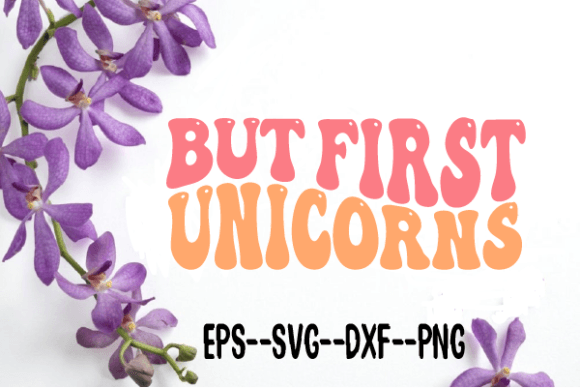
It is important to note that the product description lists this as a Unicorn retro wavy svg sublimation Design and mentions you will get 1 DXF File, 1 EPS File, and 1 SVG. These are vector formats primarily used for cutting machines or sublimation printing, not necessarily native machine embroidery formats like PES or DST. This is a crucial distinction for embroidery designers. You may need to use embroidery software to convert these vectors into a stitch file, allowing you to control thread colors, stitch types, and density manually. This conversion process offers creative freedom but requires technical skill to ensure the final output is optimized for stitching.
Before selling any finished product or handmade product, always verify the licensing terms. While many digital assets allow for commercial use of physical items, restrictions may apply to reselling the digital files themselves. Confirming this protects your craft business and maintains professional integrity.
Enhancing Visual Appeal and Brand Value
When executed well, First Grade is Magical Retro Wavy Svg can significantly enhance the perceived value of your products. High-quality embroidery signals craftsmanship and attention to detail, which builds customer trust. For custom apparel brands, consistent use of such distinctive designs helps establish brand recognition. The retro style appeals to a broad demographic, increasing the potential for buyer engagement on platforms like Etsy.
To maximize this appeal, consider the color palette. Testing the design in black and white mockups can reveal contrast issues. Ensure that the thread colors chosen provide sufficient contrast against the fabric background. For example, pastel threads on a dark navy sweatshirt might lack visibility, whereas bright, saturated colors would pop. This attention to detail separates amateur efforts from professional commercial embroidery.
Final Practical Notes
- Test on Scrap Fabric: Always run a test stitch-out on the same type of fabric you plan to use for the final product. This reveals any tension issues or density problems.
- Check Hoop Size: Ensure the design fits within your available hoop sizes, especially if you plan to offer it on various items like caps or small patches.
- Stabilizer Selection: Choose the right stabilizer for the fabric. Cut-away stabilizers are best for stretchy fabrics, while tear-away works well for stable woven materials.
- File Conversion: Since the provided files are SVG, DXF, and EPS, be prepared to digitize or convert them into machine-readable formats using appropriate software.
- Licensing Verification: Double-check the license agreement to ensure compliance for both personal and commercial projects.
In conclusion, First Grade is Magical Retro Wavy Svg offers a charming and versatile foundation for various embroidery projects. With careful attention to technical details and thoughtful application, it can become a standout element in your design assets portfolio, delighting customers and enhancing your handmade presentation.