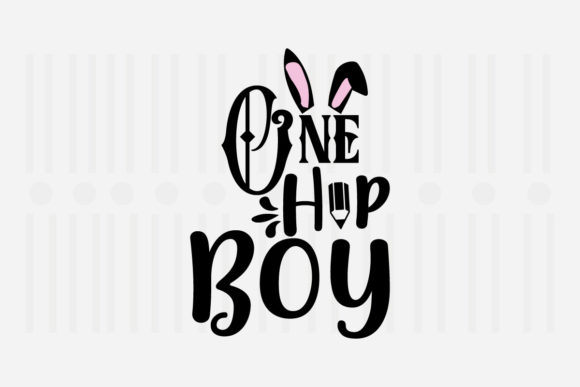
Reviewing the One Hip Boy Easter SVG for Embroidery
As a designer who spends half my life digitizing files and the other half testing them on actual fabric, I have learned to look past the flashy preview images. When I first encountered the One Hip Boy,Easter SVG, my immediate reaction was not just about the cute aesthetic, but about its structural integrity for real-world application. This is not merely a graphic for a poster or a mug; it is a design asset that demands careful consideration when translated into thread. For those of us running small shops or creating personalized gifts, the difference between a design that looks good on screen and one that stitches out cleanly is the difference between a refund request and a repeat customer.
First Impressions and Visual Personality
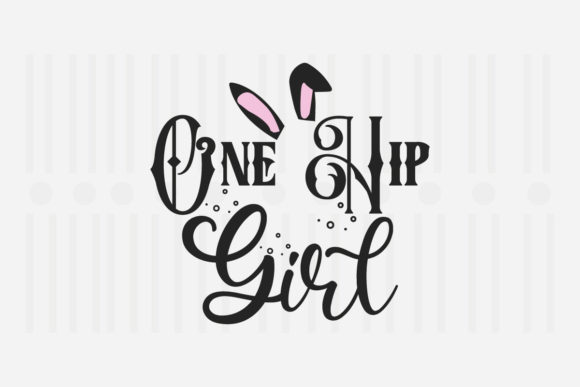
The mood of this piece is playful yet structured. The "one hip" stance suggests a bit of attitude, which pairs surprisingly well with the softness typically associated with Easter themes. Visually, the layout appears balanced, avoiding the clutter that often plagues holiday designs. For an embroidery project, this clarity is crucial. Complex, busy graphics often turn into muddy blobs of thread once stitched, especially on textured fabrics. The clean lines in this SVG suggest that it will maintain its definition, provided the digitizer has respected the minimum stitch lengths and avoided excessive density in tight corners.
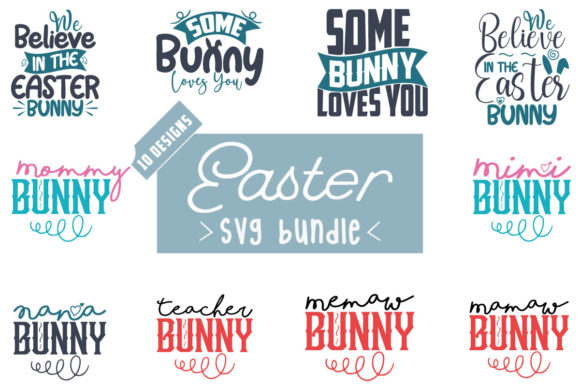
When evaluating this as a piece of Graphics within the Crafts category, I look for versatility. The description notes that the file is 100% color changeable and includes source EPS and SVG files. This is a significant advantage. It means we are not locked into a single palette. We can adapt the thread colors to match specific brand identities or seasonal trends, moving beyond traditional pastels to bold, modern contrasts if the client desires.
Real-World Application: The Tote Bag Test
To truly understand how the One Hip Boy,Easter SVG performs, I mentally placed it on a canvas tote bag. This is a common item for spring markets and boutique sales. Canvas has a visible weave, which can swallow up fine details. If this design relies heavily on thin running stitches for outlines, they might get lost in the fabric texture. However, if the design utilizes satin stitch borders or adequate fill stitch density, it will pop against the neutral background.
I also considered this design for a child’s sweatshirt. Fleece and French terry are thick, plush fabrics that require careful stabilization. A design with too much density can cause puckering, while one with too little coverage might let the fabric show through awkwardly. The "ready to print" nature of the file suggests it is optimized for clarity, but as an experienced reviewer, I always advise testing on scrap fabric first. You need to see how the thread interacts with the pile of the fleece. Does the design sit on top, or does it sink in? For a handmade product like this, the tactile feel is just as important as the visual appeal.
Navigating Fabric and Hoop Constraints
Not every surface is created equal. While this SVG might look perfect on a flat cotton tea towel, applying it to a curved surface like a cap requires caution. Caps have limited hoop space and a rigid structure. If the design is too wide, it may distort when wrapped around the front panel. Similarly, stretchy fabrics like jersey knits used in baby clothes demand a stable backing. Without proper stabilizer, even the best machine embroidery design can warp after the first wash.
Dark fabrics present another challenge. If you plan to use this on a navy or black garment, you must ensure high contrast. Light thread colors on dark fabric can sometimes appear dull if the underlay is not sufficient. Since the file allows for easy color changes, I recommend creating a mockup in black and white first. This helps you judge the value contrast without the distraction of hue. If the design loses its shape in grayscale, it will likely lack impact in real life.
Commercial Viability for Etsy Sellers and Crafters
For the Etsy seller or creative entrepreneur, time is money. The inclusion of source files like EPS and SVG is a major benefit for those who might want to tweak the design before digitizing it themselves or using it for hybrid projects. However, if you are using this as a pre-digitized machine embroidery file, you must verify the stitch count and format compatibility with your specific machine. The product description mentions it is ready to print and includes source files, but it does not specify exact stitch counts or native machine formats like PES or DST. Always confirm these technical details before committing to a large production run.
This design fits well into several commercial categories: holiday embroidery for spring collections, personalized gift items for newborns, and custom apparel for boutique branding. Its playful nature makes it highly giftable. Customers are drawn to items that feel unique and professionally finished. A clean, well-stitched design builds trust. It signals that the maker cares about quality. Conversely, a poorly executed stitch-out can damage brand consistency and reduce buyer engagement.
Practical Designer Notes for Best Results
- Test on Scrap Fabric: Never stitch your first copy on the final garment. Use a similar weight and texture of scrap material to check for puckering or thread breaks.
- Check Thread Contrast: Ensure your thread colors stand out against the fabric. High contrast improves readability, especially from a distance.
- Review Stitch Density: If the design feels stiff after stitching, the density may be too high. Adjust your machine settings or choose a lighter stabilizer.
- Confirm Hoop Size: Measure the design dimensions against your available hoops. Do not attempt to squeeze a large design into a small hoop by resizing it excessively, as this distorts the stitch angles.
- Inspect Small Details: Zoom in on the digital file. Are there tiny elements that might not stitch out well? Consider simplifying or removing elements that are smaller than the width of your needle.
- Verify Licensing: Before selling finished items or digital products featuring this design, confirm the license terms. Ensure you have the right to use it for commercial embroidery projects.
Final Verdict on Design Utility
The One Hip Boy,Easter SVG offers a solid foundation for spring-themed crafts. Its strength lies in its simplicity and adaptability. It avoids the trap of over-complication, which is the enemy of good embroidery. For hobbyists and makers, it provides a fun, low-risk project to practice color blending and stabilizer techniques. For professional apparel decorators, it serves as a reliable asset that can be scaled and adjusted to fit various products, from aprons to pillow covers.
Remember, the file is only as good as its execution. Take the time to understand your materials. Choose the right stabilizer for your fabric texture. Respect the limitations of your hoop size. When these elements align, this design can elevate a simple piece of cloth into a cherished keepsake. Whether you are creating a single personalized gift or stocking your small shop with holiday merchandise, this SVG holds promise. Just approach it with the eye of a critic and the hands of a craftsperson, and you will likely find it to be a valuable addition to your design library.