Reviewing Easter is Egg- Cellent, Easter SVG for Real Stitching
As a designer who has spent countless hours digitizing and testing embroidery files, I approach every new machine embroidery design with a mix of curiosity and skepticism. We have all been there: you download a file that looks perfect on the screen, only to find it turns into a tangled mess of thread breaks and puckering once it hits the fabric. That is why I took a close look at Easter is Egg- Cellent, Easter SVG before committing it to any client project or personal embroidery project. This isn’t just about whether it looks cute; it is about whether it holds up under the needle.
First Impressions and Visual Personality
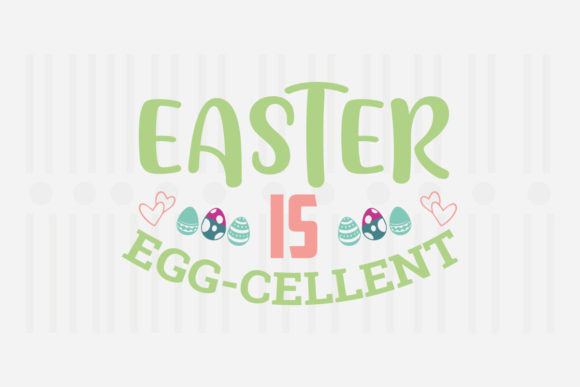
The first thing that strikes you about this design is its playful energy. The phrase "Easter is egg-cellent" relies on a pun that is timeless for spring holidays, but the execution matters. In the preview, the typography feels balanced, suggesting a layout that should translate well into stitch work. For those of us in the Crafts and Graphics space, we know that a design needs to have clear visual hierarchy. This piece seems to prioritize readability while maintaining a whimsical charm.
The mood is light and celebratory, making it an ideal candidate for seasonal merchandise. However, as an experienced reviewer, I look beyond the aesthetic. I examine the lines. Are they too thin? Will the small details disappear into the fabric texture? With this specific digital embroidery file, the clean lines suggest it was created with vector precision, which is a good sign for scalability and clarity.
Real-World Application: The Tote Bag Test
To truly evaluate a design, you have to imagine it on a physical product. I recently considered using this design for a custom tote bag design intended for a local boutique’s spring collection. Canvas tote bags are popular, but they present challenges due to their weave and thickness. I envisioned placing the text centrally, perhaps with a small graphic accent if the file allows for expansion.
In this scenario, the Easter is Egg- Cellent, Easter SVG would serve as the focal point. Because the description mentions it is ready to print and includes source files like EPS or SVG, I can manipulate the size to fit a standard hoop. For a tote, I would likely aim for a width of 6 to 8 inches. The key here is ensuring the stitch density is appropriate for canvas. If the design is too dense, it will make the bag stiff; if it is too light, the canvas weave might show through. Since this is primarily an SVG quote design, converting it for embroidery requires careful digitizing to ensure the letters have enough body without becoming bulky.
Versatility Across Products
Beyond tote bags, this design has strong potential for various handmade products. Consider sweatshirt embroidery. A crewneck sweatshirt provides a stable, thick surface that handles text-based designs beautifully. The contrast of bright spring thread colors against a pastel or neutral heather grey sweatshirt could create a high-end look that appeals to buyers looking for custom apparel.
It also works well for baby embroidery items, such as bibs or onesies, provided the scale is reduced appropriately. Parents love personalized, holiday-themed items, and a punny phrase like this adds a touch of humor that resonates with gift-givers. However, when scaling down for smaller items, one must be cautious. Tiny lettering can become illegible if the stitch count is not optimized for small hoop size constraints.
Technical Considerations for Embroiderers
While the product description highlights that the file is color-changeable and includes source files, it is crucial to understand what this means for your workflow. An SVG or EPS file is a vector graphic, not a native embroidery file format like PES or DST. This means you will need to digitize it or use software to convert it into stitches. This is both a pro and a con.
The advantage is total control. You can adjust the stitch density, choose between satin stitch for borders and fill stitch for larger areas, and ensure the design fits your specific machine’s capabilities. The disadvantage is that it requires skill. If you are not an experienced digitizer, you might struggle with corner turns or letter spacing. For those who prefer ready-to-stitch files, ensure you have the right software to handle these design assets.
Fabric and Stabilizer Choices
The success of this design heavily depends on your material choices. For holiday embroidery on kitchen towels, a cut-away stabilizer is essential to prevent distortion during washing. Towels are textured, so using a running stitch outline before filling can help anchor the design. On stretchy fabrics like t-shirts, a tear-away stabilizer might suffice, but testing is non-negotiable.
I always recommend testing the design on scrap fabric first. Check the thread colors for contrast. Since the design is described as having 100 color change options, you have the freedom to experiment. Try a monochrome look for a sophisticated vibe, or go vibrant for a playful Etsy seller listing. Always inspect the back of the stitching to ensure no excessive buildup of thread, which can cause irritation on wearable items.
Commercial Viability and Branding
For small shop product creators and commercial embroidery professionals, the appeal of this design lies in its marketability. Spring is a huge sales period. A well-executed version of Easter is Egg- Cellent, Easter SVG can drive traffic to your store. It fits perfectly into categories like personalized gift items and seasonal decor.
However, professionalism is key. Ensure that the final stitched product looks clean. Loose threads, uneven tension, or misaligned hoops can damage your brand reputation. Use this design to showcase your attention to detail. If you are selling printed mockup images online, make sure the digital representation matches the quality of the physical item. Customers trust what they see, and a crisp, well-digitized design builds that trust.
Final Verdict
Easter is Egg- Cellent, Easter SVG is a versatile asset for designers who understand the bridge between vector graphics and embroidery. It offers creative freedom through its editable source files but demands technical skill to execute properly. Whether you are creating an embroidered patch, a cap, or a pillow cover, take the time to test and refine. The result can be a charming, high-quality addition to your spring collection that customers will love to wear, use, and gift.
Remember to check the specific licensing terms included with the source files before selling finished items. Clear communication with your customers about the handmade nature of your products will further enhance the perceived value of your work. Happy stitching!