CRAZY Dog Lady Retro Wavy Svg: A Designer’s Review
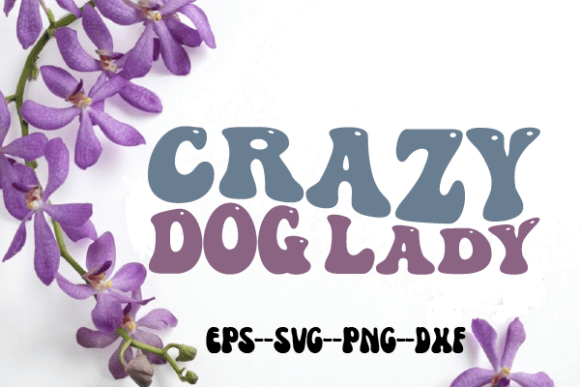
As a designer who spends half my life digitizing files and the other half stitching them out, I have learned to look past the flashy thumbnails. When I first opened the CRAZY Dog Lady Retro Wavy Svg, my immediate reaction was not just about the cute subject matter, but about the structural integrity of the wavy lines and how they would translate from a flat digital graphic into a textured, stitched reality. This is not just another clipart bundle; it is a statement piece for the modern crafter. However, using it effectively requires understanding how retro aesthetics interact with embroidery mechanics.
The Visual Personality and First Impressions
The design exudes a distinct 1970s nostalgia. The wavy typography paired with the playful dog motif creates a mood that is both humorous and stylish. For those of us in the Crafts sector, specifically within the Graphics niche, finding assets that balance trendiness with timelessness is rare. This design achieves that balance. The curves are smooth, which is promising for stitch flow, but the "retro" style often implies bold, thick lines. In embroidery, bold lines can mean high stitch density if not managed correctly.
When evaluating this for a real project, I imagine it on a cream-colored canvas tote bag. The contrast between the dark, wavy text and the natural fabric would be striking. It feels like a product that would sell well at a local craft fair or as a standout listing for an Etsy seller focusing on pet lovers. The visual appeal is high, but the execution is where the value lies.
Real-World Application: From Screen to Stitch
Let’s walk through a practical scenario. Suppose you are preparing a custom order for a client who wants a personalized gift for her sister, a self-proclaimed "crazy dog lady." You decide to use this design on a heavyweight sweatshirt. Here is where your experience as an embroidery designer comes into play.
Because this is provided as a SVG, DXF, and EPS file, it is primarily a vector graphic intended for cutting machines or sublimation printing. The product description explicitly mentions "Sublimation Design" and lists uses like T-shirts, mugs, and pillows. This is a crucial distinction. If you are an embroiderer, you cannot simply plug these files into your embroidery machine. You must first convert the vector paths into a machine embroidery design using digitizing software.
If you are using this for sublimation, the process is straightforward. You print the design on sublimation paper and heat press it onto polyester-blend fabrics. The wavy lines will remain crisp, and the colors will be vibrant. This is ideal for creating quick-turnaround products like mugs or pillow covers where stitch texture is not required. However, if you are aiming for the tactile quality of a handmade product, you need to digitize this SVG carefully.
Digitizing Considerations for Embroidery
If you choose to convert this digital embroidery file source into stitches, pay close attention to the wavy text. Thin, wavy letters can be problematic. If you use a satin stitch that is too wide, the threads may snag or lose definition. If you use a running stitch, it might look sparse on thicker fabrics. I recommend testing a fill stitch with a low density for the larger areas of the dog illustration, while keeping the text as a clean satin column with underlay to prevent shifting.
Always check the stitch density. Retro designs often look best when they are bold, but too much density on a lightweight t-shirt will cause puckering. Use a cut-away stabilizer for stretchy fabrics like sweatshirts to ensure the design remains stable after washing. For a tote bag design made of canvas, a tear-away stabilizer might suffice, but test it first on scrap fabric.
Navigating Fabric and Hoop Constraints
Where should you use this design with caution? Small hoop sizes are a potential pitfall. If you shrink the design to fit a 4x4 inch hoop for a baby item or a cap, the intricate details of the dog’s face and the curves of the text may merge. The embroidery file needs to be scaled proportionally. On curved surfaces like caps, the wavy text might distort if not centered perfectly. I advise placing the design on the front panel only if the curvature is minimal.
Dark fabrics present another challenge. Since the design relies on contrast, you must choose thread colors wisely. A white or bright yellow thread on a navy blue sweatshirt will pop, but a muted tone will get lost. Always run a test stitch on a similar fabric texture to see how the light reflects off the threads. This step builds customer trust and ensures your finished product looks professional.
Commercial Viability and Brand Consistency
For small shop product creators, this design offers versatility. It fits seamlessly into categories like holiday embroidery gifts, custom apparel for pet sitters, or even as part of a boutique branding kit. The retro vibe appeals to a specific demographic that values humor and style. By offering this on various items—such as an embroidered patch for jackets or a baby embroidery onesie—you diversify your inventory without needing new designs.
However, always confirm licensing before selling. The product description states you get DXF, EPS, and SVG files. It does not explicitly state commercial embroidery rights for the digitized version. If you digitize it yourself, you own the stitch file, but the underlying artwork license must permit commercial use of the derivative work. Check the terms provided by the seller to avoid legal issues.
Final Verdict for Makers
The CRAZY Dog Lady Retro Wavy Svg is a strong asset for your library, provided you understand its primary format. It is excellent for sublimation projects like mugs and polyester shirts right out of the box. For embroiderers, it serves as a perfect template for digitizing, offering clear shapes and a trendy aesthetic.
Remember to:
- Test the design on scrap fabric to gauge stitch density and tension.
- Verify the license for commercial sales of finished items.
- Choose high-contrast thread colors for maximum visibility.
- Use appropriate stabilizer based on the fabric weight.
By treating this graphic as a starting point rather than a final solution, you can create high-value, professional-looking items that resonate with buyers. Whether you are making a personalized gift or stocking your online store, this design has the charm and flexibility to elevate your embroidery project.